How AI Tools Have Changed the YouTube Landscape
From scriptwriting to thumbnail generation to automated editing — AI has restructured what it costs and what it takes to build a YouTube channel. Here is where the industry stands in 2026.
By Michael Spark · April 3, 2026
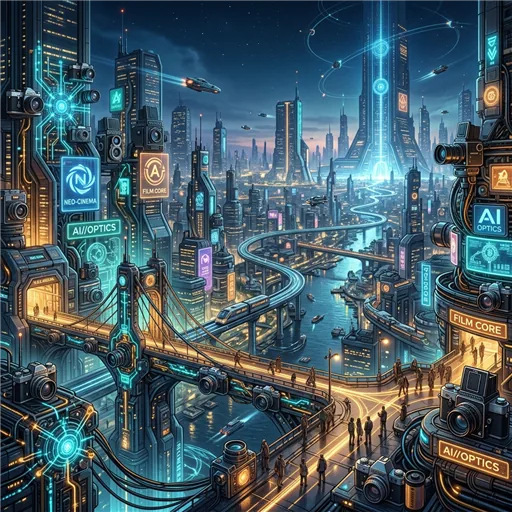
In 2022, building a competitive YouTube channel required a camera, a microphone, editing software, and somewhere between 20 and 40 hours of skilled labour per video for anything approaching professional quality. In 2026, the same output is achievable by a single person in a fraction of the time, at a fraction of the cost, with a suite of AI tools that handle tasks that previously required entire production teams. This is not an incremental change. It is a restructuring of the economics of content creation — and every creator operating on the platform, whether they use AI tools or not, is competing in the environment it has created.
AI Scripting and Research: The Starting Point of Every Video
The research and scripting phase of video production was historically the most time-consuming and intellectually demanding part of the workflow — often taking longer than filming and editing combined for information-dense content. AI language models have compressed this timeline dramatically for creators who use them as research partners and drafting tools rather than as complete replacements for editorial judgment.
Script Drafting
AI models can generate structured first drafts of video scripts based on topic briefs, outline prompts, or competitor video transcripts. These drafts require significant human editing to add original perspective, accurate sourcing, and authentic voice — but the time saving over starting from a blank page is substantial, particularly for creators producing multiple videos per week.
Research Synthesis
AI tools can rapidly synthesise information from multiple sources, summarise academic papers, explain complex technical concepts, and identify angles on a topic that a creator might not have considered. Used as a research accelerator rather than a primary source, AI research tools meaningfully reduce the preparation time for educational and explainer content.
Title and Description Generation
AI tools can generate multiple title variants and full video descriptions from a topic brief or script summary — then rank them by likely CTR characteristics. This reduces the title brainstorming process from 20 minutes of manual effort to a 2-minute review and selection task, with more options to choose from.
AI Voiceover: Professional Audio Without a Recording Studio
AI text-to-speech technology has advanced from the robotic monotone of early systems to voice synthesis that is, in many contexts, indistinguishable from professional human narration. The practical implications for YouTube creators — particularly those running automation channels or producing content in multiple languages — are significant.
| Tool | Capability | Best For |
|---|---|---|
| ElevenLabs | Ultra-realistic voice synthesis. Voice cloning from short audio samples. Emotional tone control. | Documentary-style narration. Automation channels. Multi-language dubbing. |
| Murf | Studio-quality AI voices. Multiple accents and languages. Script-synced audio export. | Explainer videos. Presentation-style content. Corporate tutorial channels. |
| Descript Overdub | Voice cloning of the creator's own voice for post-production corrections without re-recording. | Creators who record themselves but want to correct mistakes without a full re-record session. |
| YouTube Auto-Dub | Automatic dubbing into 40+ languages using voice-cloned audio that preserves speaker tone. | Expanding existing English-language content to global audiences without separate production. |
AI Visuals: Thumbnails, B-Roll, and Generated Imagery
Visual production — the component of YouTube content creation that previously required design skills, expensive stock libraries, or professional photographers — has been democratised by AI image and video generation tools at a pace that has surprised even industry insiders.
Thumbnail Generation
AI image generators (Midjourney, Adobe Firefly, DALL-E 3) can produce photorealistic background scenes, stylised visual compositions, and concept imagery that would previously require expensive photography or stock licensing. Combined with Canva or Photoshop for text and face overlays, AI-generated backgrounds significantly reduce the visual production cost of professional-grade thumbnails.
B-Roll and Stock Video
Text-to-video AI tools (Runway, Sora, Kling) can generate short cinematic clips from text descriptions — providing B-roll footage for scenarios that are impossible, impractical, or expensive to film in reality. A creator producing content about historical events, abstract concepts, or future technologies now has access to visual support that was simply unavailable before AI generation tools existed.
AI-Assisted Editing
Tools like Descript, Opus Clip, and Adobe Premiere's AI features can automatically transcribe footage, identify the strongest moments, remove filler words and silences, and generate short-form clips from long-form content. Creators who previously spent 6–8 hours editing a single video can produce the same quality output in 2–3 hours using AI-assisted editing workflows.
AI Analytics and Optimisation
AI-powered analytics tools analyse channel performance data and provide specific, actionable recommendations — optimal upload times, underperforming title formats, content gaps in the niche, and audience retention patterns. These insights were previously available only to large channels with dedicated analytics teams or expensive consulting arrangements.
What AI Has Done to the Competitive Landscape
The aggregate effect of AI tool adoption across the creator economy has been a significant compression of production cost barriers — making it easier than ever to start a channel that looks and sounds professional — while simultaneously raising the baseline quality threshold that viewers expect from content in established niches. The bar to enter is lower. The bar to stand out is higher.
Channels that competed on production quality alone — clean audio, steady camera, professional editing — have seen their advantages erode as AI tools bring those standards within reach of any creator with a $50/month software budget. The competitive differentiators that remain are the ones AI cannot replicate: original insight, genuine expertise, authentic personality, trusted audience relationships, and consistent editorial point of view.
"AI has made the floor higher and the ceiling the same. Any creator can now produce content that looks and sounds professional. The ones who win are still the ones with something original to say."
The compliance reminder: AI tools that produce realistic footage of real people, AI-cloned voices of specific individuals, or documentary-style content depicting real events require disclosure under YouTube's 2026 AI content labelling policy. Using these tools without the required labels risks content removal and YPP standing. See YouTube's Altered Content disclosure workflow in YouTube Studio before publishing any content of this type.
Conclusion
AI tools have not changed what makes a YouTube channel successful — original ideas, clear communication, genuine value for the viewer, and consistent publishing. What they have changed is the cost structure of producing that content at a competitive standard. Creators who integrate AI tools strategically into their workflows gain a meaningful production efficiency advantage. Creators who use AI to replace editorial judgment rather than support it produce content that YouTube's compliance systems are increasingly designed to identify and suppress. The technology is available to everyone. The question every creator must answer is what they bring to it that the tools themselves cannot.